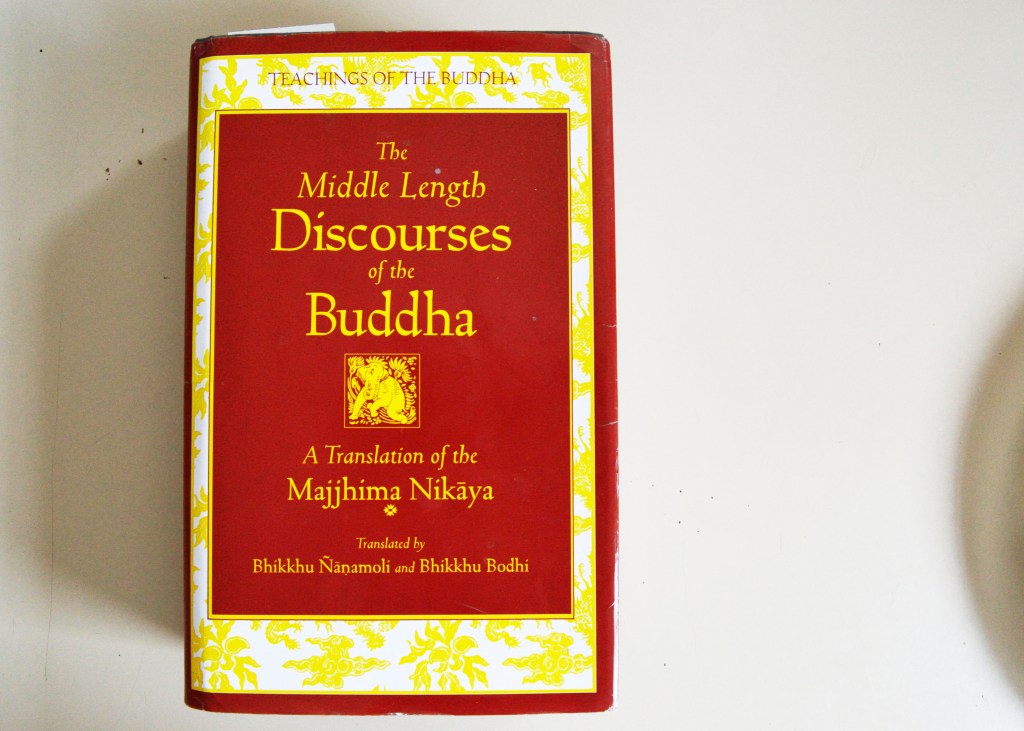
The Jhа̄na Mind States
The First Jhа̄na – Secluded from sensual pleasure – secluded from unwholesome state – a bhikku (buddhist monk) enters upon and abides in the first Jhа̄na. Accompanied by applied and sustained thought, with rapture (joy, bliss, elation)
The Second Jhа̄na – With the stilling of applied and sustained thought, a bhikku enters upon and abides in the second jhа̄na, which has self confidence and singleness of mind without applied and sustained thought, with rapture and pleasure born of concentration.
The Third Jhа̄na – With the fading away of rapture, a bhikku abides in equanimity, mindful and fully aware, and still feeling pleasure with the body, on account of which noble ones announce: He has pleasant abiding, who has equanimity and is mindful, this is the other kind of pleasure, loftier and more sublime than then the previous.
The Fourth Jhа̄na – With the abandoning of pleasure and pain and with the previous disappearance of joy and and grief, which has neither pain nor pleasure and purity of mindfulness due to equanimity. This is that other kind of pleasure loftier and more sublime than the previous pleasure.
The Base of Infinite Space – With the disappearance of perceptions of sensory impact, with non-attention to perceptions of diversity, aware that ‘space is infinite’. A Bhikku enters upon and abides in the base of infinite space. This is that other kind of pleasure loftier and more sublime than the previous pleasure.
The Base of Infinite Consciousness – By completely surmounting the base of infinite space, a Bhikku enters upon and abides in the base of infinite consciousness. This is that other kind of pleasure loftier and more sublime than the previous pleasure.
The Base of Nothingness – By completely surmounting the base of infinite consciousness, aware that ‘there is nothing’, a Bhikku enters upon and abides in the base of nothingness.
The Base of Neither-Perception-Nor-Nonperception – This is that other kind of pleasure loftier and more sublime than the previous pleasure.
The Cessation of Perception and Feeling – By completely surmounting the base of Neither-Perception-Nor-Nonperception, a Bhikku enters upon and abides in the base of the Cessation of Perception and Feeling. This is that other kind of pleasure loftier and more sublime than the previous pleasure.

“Its possible Ananda, that wanderers of other sects might speak thus: The recluse Gotama (The Buddha) speaks of the cessation of perception and feeling and he describes that as pleasure. ‘What is this, and how is this?’ Wanderers of others sects who speak thus should be told: ‘Friends, the Blessed One (The Buddha), describes pleasure not only with reference to pleasent feeling, rather, friends, the Tathagata describes as pleasure anykind of pleasure whereever and in whatever way it is found
A relationship between internal interaction, reactivity and interaction with perceived formations and entities of mind and mental feeling is notice.
There is a battle-some occurrence when approaching an oppositional internal force. The nonself interaction can become dangerous and very real, defeating all opposition with a compassionate internal and external presence is the way of the Buddhas.
Sometimes a feeling reward for interacting with internal perceptions arises… Could this be misleading? Uncertainty and continued awareness, in observation of internal and external with mindful awareness. How is the internal activity and the external activity in relationship? Are they oppositional, are they neutral, are they complimentary, are they mutually in action, and what does feeling indicate about relationship to the internal and external?
The Buddha Said:
There are three types of feeling “Painful feeling, pleasant feeling, and neither painful-nor-pleasant feeling” See chart of Cittas for further explanation – 3 basic types of feeling – 108 types of feeling
What does it mean to work with painful feeling?
What does it mean to work with pleasant feeling?
The Buddha also said:
To abandon, feeling, perceptions, formations, and consciousness.
What does it mean to abandon feeling?
-From the Majjhima Nikaya
All of this written and spoken from ancient texts does not happen someplace else, in some mystic other land, the internal is now, the external is now.
Awareness levels rise and fall, the mind opens and closes, perspectives of “I” and “we” exchange importance.
Is the internal and external now in harmony, true to the individuals experience, true to your experience?
No matter where you go, there you are.
“Before your time, Bhikkhu, there were Recluses and Brahmins in the world whose asceticism lasted longer than your life. They knew, when there was another escape beyond, that there is another escape beyond and when there is no other escape beyond, that there is no escape beyond. So Bhikku, I tell you this: You will find no other escape beyond and eventually you will reap only weariness and disappointment.” – Page 426
 The I_Nonself Journal - Journey > Siddhis Sadalmelik